


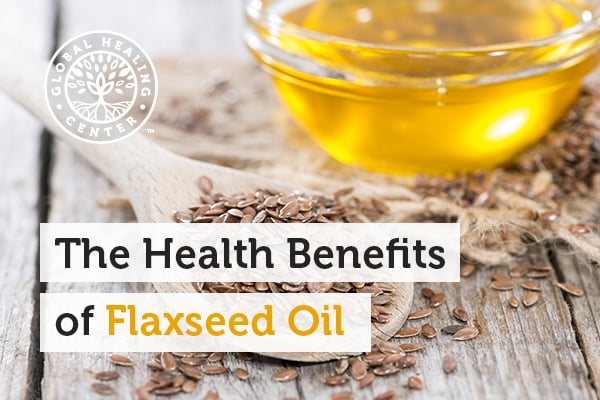
There has been a lot of talk about the health benefits of flaxseed oil but many people don't know exactly what it is and what it specifically does.
Flax is a good source of plant omega-3 fatty acids, dietary fiber, vitamin B1 (thiamine), magnesium, phosphorus, and other nutrients. Its nutrient composition differs from that of other major oil seeds such as canola and sunflower. It's important to get the facts straight to make the best choice when purchasing flaxseed oil.
What Is Flax and Flaxseed Oil?
Flaxseed oil comes from the seeds of the flax plant. A flax seed is about 30 percent oil by weight. Of this, 53 percent is alpha-linolenic acid (ALA), 17 percent linoleic acid (LA), 19 percent oleic acid (Figure 1), 3 percent stearic acid, and 5 percent palmitic acid. This provides an excellent 6:3 fatty acid ratio of around 0.3:1.[1]
Flax is unique because, traditionally, the oil hasn't been used much. The seed, however, has been used whole, cracked, or ground into flour then used in baked products. Flax has attracted nutritionists and those seeking a healthier diet because it has high fiber content and is rich in nutrients. Flax is often sprinkled on breakfast cereals and salads and is found in some fruit juice drinks.
After the oil is extracted from the flax seed, the "leftovers" are often fed to livestock. An interesting side note is that the use of whole flaxseed as food for chickens has increased in recent years because of the omega-3 properties.
Is Flaxseed Oil the Same as Linseed Oil?
There has been some confusion between these. Flax oil is also called linseed oil which is sold in hardware stores as varnish. Flaxseed and linseed are often used interchangeably but there is an important difference. North Americans use flaxseed to describe flax when used for human consumption and linseed to describe when it has been processed for industrial purposes.
Importance of Omega-3
The "3" in omega-3 refers to the major types of fatty acids that are ingested in foods and used by our body: alpha-linolenic acid (ALA), eicosapentaenoic acid (EPA) and docosahexaenoic acid (DHA). Once eaten, the human body converts ALA to EPA and DHA which are more readily used by the body. Omega-3 is an important component of almost all cell membranes; therefore, sufficient amounts of these fatty acids are necessary and should be balanced to maintain good health.
A study titled, "The Preventable Causes of Death in the United States: Comparative Risk Assessment of Dietary Lifestyle and Metabolic Risk Factors" revealed that an omega-3 deficiency causes an alarming 72,000 to 96,000 deaths annually.[2]
Flaxseed Oil Benefits
According to the Flax Council of Canada, there are numerous benefits of which omega-3 is at the top of the list. ALA (alpha-linolenic acid) constitutes 57 percent of the total fatty acids in flax, making flax the richest source of ALA in the North American diet. Every tablespoon of flaxseed oil contains 8 grams of ALA, and this is a polyunsaturated fatty acid.
Flaxseed oil has been found to be beneficial for those who have Crohn’s disease and ulcerative colitis. Several studies have found that this oil seems to be able to calm the inner lining of the inflamed intestines. Another benefit exists as there is a high content of mucilage in flax and this is an effective natural laxative.
Flaxseed oil is beneficial in helping to reduce high cholesterol. It’s important to keep in mind, however, that this alone cannot be totally effective in reducing cholesterol levels. An overhaul of overall diet must work in conjunction with flaxseed oil.
The risk of heart disease is lower in individuals who take flaxseed oil. Evidence indicates that those who eat a lot of ALA are less likely to suffer a fatal heart attack and it reduces high blood pressure.
Some people are afflicted with Sjogren's syndrome, which is a dryness of the eyes. Flaxseed oil helps to improve this condition.
Flaxseed oil also helps to:
- Reduce the risk of cancer.
- Aid in the growth of healthy hair and nails.
- Promote healthy skin.
- Reduce menopause symptoms.
- Play a role in burning body fat.
Taking Flaxseed Oil
Flaxseed oil is available in liquid and soft gel capsules. Many capsules are made with gelatin, an animal product, so be sure to choose vegan varieties. The oil itself requires special packaging because it is easily destroyed by heat, light, and oxygen. Some forms of flaxseed oil may require refrigeration.
There is a potential for side effects and interactions with medications or other dietary supplements. Flaxseed may slow down the rate your body absorbs oral medications or other nutrients if taken at the same time. It is highly advisable to seek the advice of a trained natural health practitioner before taking this supplement.
It’s also important to know the source of the flaxseed oil because some plants grown today are not what they appear to be. There are lot of genetically engineered (GE) plants that make their way into our homes and GE foods are not good for human consumption.
Points to Remember
Natural flaxseed oil is packed with health benefits that you can’t go wrong with. A daily intake of this healthy oil offers a lot of goodness. Talk to a natural health specialist and make organic flaxseed oil a part of your daily regime.
References (2)
- Bernacchia R, et al. Chemical composition and health benefits of flaxseed. Austin J Nutr Food Sci. 2014;2(8) 1045.
- Danaei G, et al. The preventable causes of death in the United States: comparative risk assessment of dietary, lifestyle, and metabolic risk factors. PLoS Med. 2009 Apr 28;6(4):e1000058.
†Results may vary. Information and statements made are for education purposes and are not intended to replace the advice of your doctor. If you have a severe medical condition or health concern, see your physician.


