The long standing debate between people who care about their health and the health of the environment concerns not only what food to eat, but what kind of food is best to buy.
How do you sort out the differences between local, organic and local-organic foods? Which is better for our health and better for the planet? What the heck does it mean to be organic anyway?
Different people define "local" product different ways. Some say that if food comes from farther than 50 miles away it is not local. Many say 100 miles is the cutoff [1]. Others say it must be within 250 miles to be considered "locally-grown".
The choice is yours, if you live in a booming agricultural area then you should probably set your standards a little higher. If you live in the middle of a desert, then having your food travel a bit farther to get to you is probably okay.
Organic typically means "Certified Organic". Growers have to go through a lengthy and expensive certification process overseen by the USDA or other credible certifiers such as Oregon Tilth to be "certified organic."
Organic foods are those grown without synthetic fertilizers or pesticides and are not genetically modified. For plants, organic also means that farmers don't irradiate their crops, and for animals it means that they've been given only organic feed for a year or more, no antibiotics and no growth hormones. One thing to take into consideration is that farmers may be farming organically, but they may not be certified because of the time commitment certification requires.
Making The Case For Locally-Grown Food
Stringent supporters of local business have pointed out that, organic or not, buying local is better for the environment because sometimes organic foods have to travel long distances, using oil and fuel, increasing CO2 emissions, and increasing their carbon footprint.
Besides reducing your overall carbon footprint, local seasonal fruits, veggies, and dairy may taste better because local crops are harvested when they are the freshest, and they make it to you sooner-ensuring that you are feeding your family the freshest foods.
Considering all of these factors, the environmental cost may outweigh the benefits of buying organic products.
Making The Case For Organic Foods
On the other side of the table, local foods that are not organically grown have all the concerns of many other commercially produced foods. They are less nutritious and have fewer flavors. Most non-organic foods maintain high levels of pesticide residue, heavy metals or other harmful contaminants, even after they've been washed, and then we ingest it.
Non organic foods have a detrimental effect on the environment because the herbicides and pesticides used leech into the water supply and corrupt local ecosystems.
When Organic Is Recommended
You should make an effort to buy the organic versions of the following foods that retain high pesticide levels. Pesticides are poisons, not something you should be enthusiastic about giving your family!
- Fruits - Apples, Grapes, Nectarines, Peaches & Pears
- Legumes - Peas, Beans & Peanuts
- Berries - Strawberries, Raspberries, Blueberries & Goji Berries
- Vegetables - Bell Peppers, Celery, Peas & Spinach
How To Save Money on Organic Foods
Produce that doesn't contain a lot of pesticide residue when properly washed doesn't need to be purchased at the higher price of organic foods. Many of these are the foods that have a thick skin or husk that will be peeled off prior to eating. Of course, if you are on a strict organic food diet then you should purchase all of your foods organically, and better yet locally whenever possible.
- Must-Peel Foods - Bananas, Pineapple, Corn & Avocados
- Tropical Fruits - Kiwi, Mangoes & Papaya
- Vegetables - Asparagus, Broccoli & Cauliflower
- Seafood - Don't ever be fooled about something labeled as "organic seafood." No such thing exists! No USDA certification standards have been established for seafood.
What Should I Do?
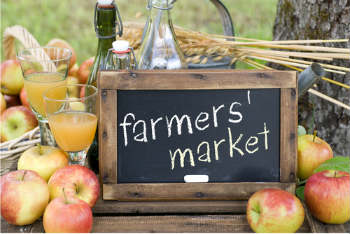
Most cities have farmer's markets that offer a variety of locally produced fruits, vegetables, sauces and meats. Local honey is especially beneficial because it can offer some resistance to allergens in the area. The website Localharvest.org is dedicated to helping people find farmers markets and other local, sustainable grown foods.
Support your local growers, find out which ones are selling organically produced foods (certified or not), and encourage more of the local farmers to find alternatives to harsh pesticides and synthetic fertilizers. Excellent sources of information on the freshest and best tasting local foods are area chefs
Chefs often seek out the highest quality, lowest cost products and may be able to direct you to fresh food sources that you weren't even aware of.
Encourage your local grocery store to stock local products, ask specifically for the products that you want and make sure that they honor your request. If not, take your business to someone who will. Whenever possible, you should buy local, organic products.
Growing Your Own Food is the Best & Safest Method!
If you're looking for a sure-fire way to avoid the organic vs. local debate, you can grow your own fruit and veggies!
Seasonal fruit and veggies are easy to grow in barrels or flower boxes and often don't require much maintenance and minimal care. What is in season, and when, depends on where you live.
There are many online resources as well as organic gardening books in the local library or bookstore. Garden centers at local home improvement stores often have brochures that talk about organic farming and outline the plants that grow best at what time of year. Every state has a cooperative extension office. These provide information on local farming, and they usually have phone numbers that will connect you to people who are more than happy to share their knowledge with you!
References (1)
- Margot Roosevelt. The Lure of the 100-Mile Diet. Time Magazine. 2006 June 11.
†Results may vary. Information and statements made are for education purposes and are not intended to replace the advice of your doctor. If you have a severe medical condition or health concern, see your physician.