


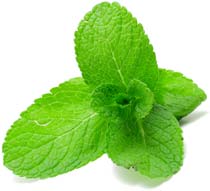
Peppermint, mentha piperita, is a versatile plant that has been cultivated and used for centuries in a variety of natural capacities ranging from indigestion, motion sickness, gas relief and more. Because it inhibits the growth of bacteria, mouthwash and toothpaste may be among peppermint’s best-known applications. However, peppermint’s soothing and relaxing properties have placed it at the forefront of herbs found to be especially beneficial when used to support respiratory disorders such as cold, cough, throat irritation, and sinus redness.
How Peppermint Works
Peppermint leaves contain rosmarinic acid, a phenol, as well as various flavonoids. Peppermint oil contains the sought after and effective ingredients, menthol, and menthone. The quality of the leaves is determined by the quantity of menthol they contain, peppermint grown in the United States is typically about 70% menthol and also contains magnesium, vitamins A and C, copper, potassium, inositol, niacin, iron, iodine, sulfur, and silicon. Within the body, peppermint exhibits action against harmful organisms, is an antioxidant, and has the potential to support respiratory concerns.[1]
Peppermint & Common Respiratory Ailments
Allergies and other respiratory concerns can lead to congestion in the throat, nose, bronchi, and lungs. Peppermint has an antihistamine effect, coupled with the strong, cooling action of menthol that makes it a useful decongestant. For these reasons, menthol is commonly found in inhalers and therapeutic balms.
Peppermint & Asthma
According to research published in the July 2010 issue of "Journal of Ethnopharmacology," it was noted that peppermint oil was found to have anti-congestive, antispasmodic (meaning it helps to relax the smooth muscles of the respiratory tract), and expectorant properties. This study found that 100-300 micrograms of peppermint oil relaxed the trachea in rats.[2]
A condition known as, “exercise-induced asthma,” occurs when asthma symptoms are brought on by physical exercise. Dr. David Kiefer, M.D., a renowned author, and advocate for alternative medicine, suggests peppermint helps reduce irritation and acts as a bronchodilator by opening the airways, decreasing shortness of breath.
Peppermint is typically thought to be safe unless specific allergies exist. Care should be exercised when using the essential oils as large amounts may cause an upset stomach. Although peppermint is typically cultivated in the United States and Europe, it should not be taken for granted that all peppermint supplements are organic. Only supplements that are supplied from natural, organic, and reputable sources should be taken.
Other herbs that provide beneficial lung cleansing are: osha root, eucalyptus leaf, lungwort leaf, oregano leaf, plantain leaf, lobelia flower, and chapparal.

How to Cleanse Your Lungs Naturally
Length: 2 minutes
References (2)
- McKay DL, Blumberg JB. A review of the bioactivity and potential health benefits of peppermint tea (Mentha piperita L.). Phytother Res. 2006 Aug;20(8):619-33. Review.
- de Sousa AA, Soares PM, de Almeida AN, Maia AR, de Souza EP, Assreuy AM. Antispasmodic effect of Mentha piperita essential oil on tracheal smooth muscle of rats. J Ethnopharmacol. 2010 Jul 20;130(2):433-6. doi: 10.1016/j.jep.2010.05.012. Epub 2010 May 19.
†Results may vary. Information and statements made are for education purposes and are not intended to replace the advice of your doctor. If you have a severe medical condition or health concern, see your physician.


