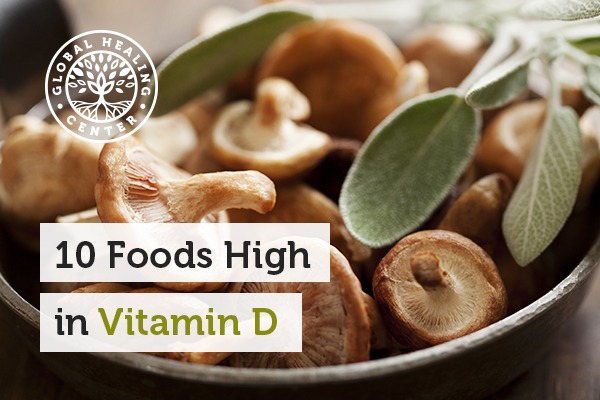
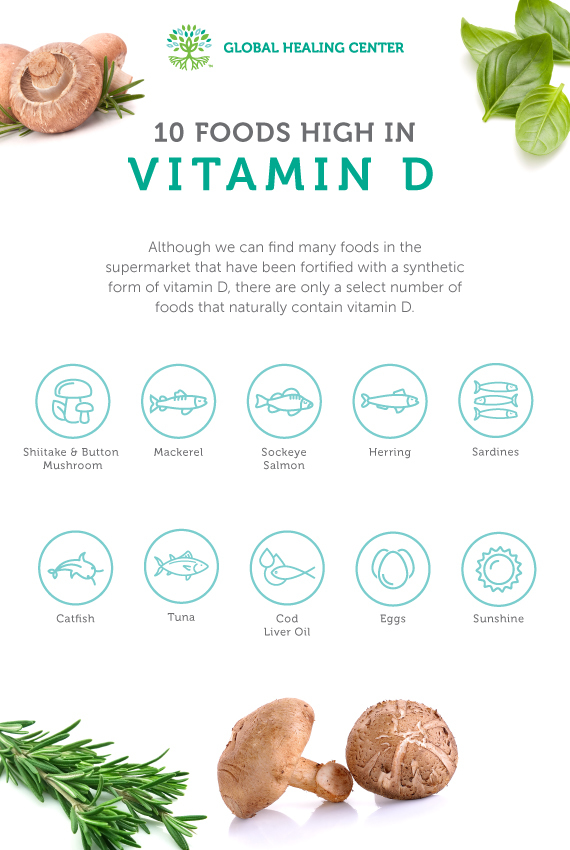
Although we can find many foods in the supermarket that have been fortified with a synthetic form of vitamin D, there are only a select number of foods that naturally contain vitamin D.
Normally, the human body makes vitamin D. Exposure to sunlight is the catalyst for the synthesis of this hormone in the skin. But today, many people spend countless hours indoors, and exposure to the sun is limited. This may be a cause of many ailments, including a depressed mood and weak bones. With age, bones can become weak and thin. Although you can’t turn back the hands of time, good nutrition is one of the best ways to encourage your body to be its best. Vitamin D is one nutrient in particular that supports normal bone density and strength.[1, 2]
Personal Disclaimer: I follow an organic vegan diet and try to get a little sunlight every day. When I need a little extra vitamin D, I consume Shiitake mushrooms or take a vitamin D supplement. I recommend Global Healing’s Vitamin D3. This premium vitamin D supplement is all-natural, vegan, and GMO-free. Because I have received so many requests for other sources of vitamin D, I decided to post the following non-vegan food sources. I must say, however, that I do recommend a meatless diet for optimum health.
Get the Guide to Following a Healthy Diet for a Happier You
Dr. Group, DC outlines how to transform your diet to live a healthier, happier life. Enter your email below for the free guide!

Check Your Inbox!
You'll be receiving an email shortly.
The Top Foods Containing Vitamin D
- Shiitake and Button Mushrooms
- Mackerel
- Sockeye Salmon
- Herring
- Sardines
- Catfish
- Tuna
- Cod Liver Oil
- Eggs
- Sunshine
1. Shiitake and Button Mushrooms
Dried shiitake mushrooms are high in vitamin D.[3] Shiitake, button, and oyster mushrooms are also rich in vitamins B1 and B2.[4] To benefit from the high vitamin D content, make sure that you find mushrooms that have been dried in the sun, not by artificial means.
2. Mackerel
A 3-ounce portion of this omega-3-rich fish will give you 90 percent of your recommended daily amount of vitamin D.[5] The FDA recommends that Americans eat oily fish for their omega-3 essential fatty acids (EFA’s).
3. Sockeye Salmon
A small 3-ounce portion of cooked salmon will give you 90 percent of the recommended dietary intake of vitamin D.[5] Make sure to purchase salmon that was caught from the wild or sustainably farmed.
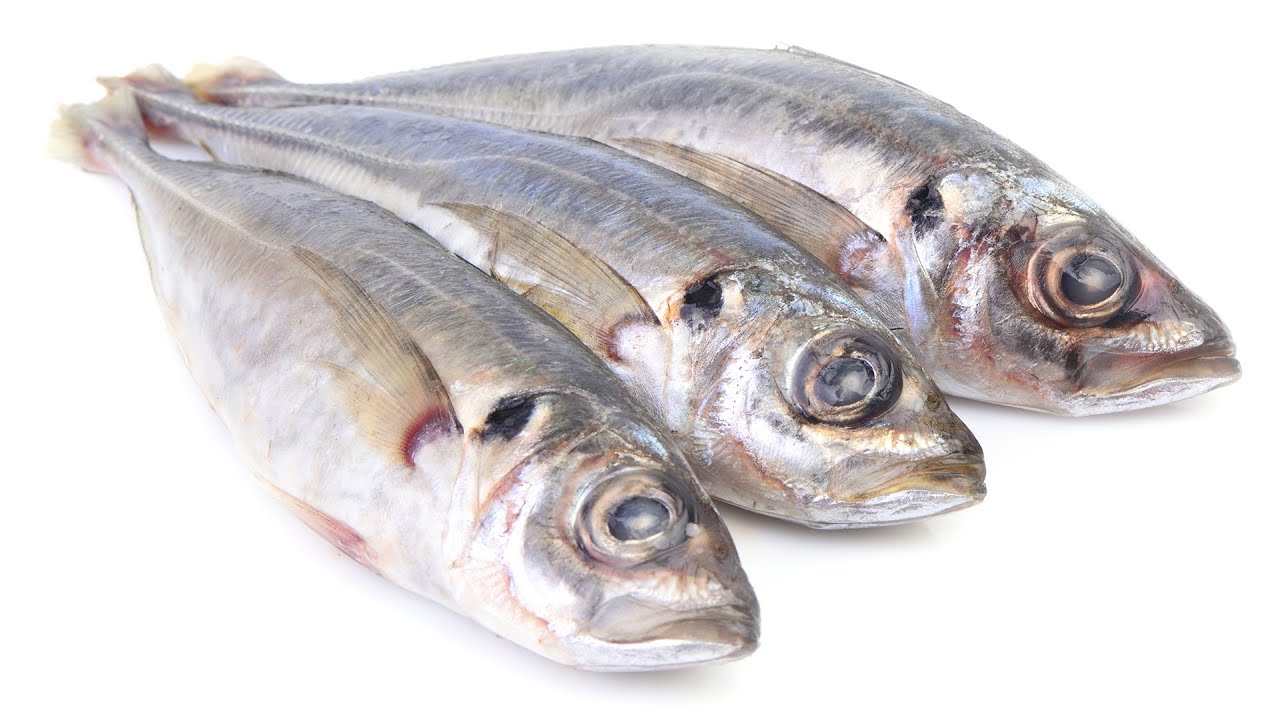
4. Herring
Herring are high in vitamin D because they thrive on plankton, which is a hearty source of vitamin D.[6, 7]
5. Sardines
Sardines are one of the best dietary sources of vitamin D. One small tin can of sardines will provide you with approximately 101 percent of your daily needs. These tiny canned fish are also a great source of vitamin B12, omega-3 fatty acids, protein, and selenium.[8]
6. Catfish
Catfish are a freshwater fish that have a habit of feeding on minuscule organisms that use sunlight to produce vitamin D.[9]

7. Tuna
You’ll have to eat 6 ounces of tuna daily to obtain 50 percent of your vitamin D needs.[10] Fresh, wild-caught tuna is the most nutritious. Remember, oily fish can also provide the body with “good fats” that support memory and brain function.
8. Cod Liver Oil
If you can stomach the strong aroma, this oil is super-rich in vitamin D. Just a teaspoon offers 113 percent of your daily vitamin D needs.[11] This golden oil is also rich in omega-3 fatty acids. Some medical experts recommend taking vitamin D to improve brain function and optimize nervous system function.[12]
9. Eggs
Eggs contain vitamin D in small amounts. Eating one egg will provide you with approximately 21 percent of your daily needs.[13] It’s best to only consume free-range eggs from a local farm, if possible.
10. Sunshine
Okay, I know it's not food, but daily exposure to sunshine can seriously increase your vitamin D levels. In fact, this vitamin is often called the “sunshine vitamin.” When sunlight hits the skin, it stimulates the production of vitamin D from cholesterol. This is great news for those of us that can take a daily sunbath. But, for those of us who can’t, you must boost your intake from the foods you eat. This may explain why native Inuit people in Alaska ate so much fish!
There are many reasons to add foods with vitamin D to your diet. The health benefits of the vitamin include:
6 Health Benefits of Vitamin D
- Supports calcium absorption in the gut.
- Supports strong, healthy teeth and hair.
- Regulates cellular growth and healthy cell activity.
- Soothes and reduces systemic irritation and swelling.
- Promotes skeletal health.
- Postmenopausal women and African-American men may benefit the most from increased vitamin D intake.[14, 15]
As I mentioned above, if you are a vegetarian or don’t eat fish, you can still reap the same benefits by taking a vitamin D supplement or get sun on a daily basis.
Foods High in Vitamin D
Length: 5 minutes
References (15)
- Benedetti, Francesco, et al. "Morning Sunlight Reduces Length of Hospitalization in Bipolar Depression." Journal of Affective Disorders 62.3 (2001): 221–223. Web. 28 Feb. 2017.
- Publications, Harvard Health. "Vitamin D and your health: Breaking old rules, raising new hopes." Harvard Medical School. Harvard Health, 13 June 2009. Web. 28 Feb. 2017.
- Haytowits, D. B. "Vitamin D in Mushrooms." Beltsville, MD: Beltsville Human Nutrition Research Center, 2009. Web. 28 Feb. 2017.
- Furlani, Regina Prado Zanes, and Helena Teixeira Godoy. "Vitamins B and B Contents in Cultivated Mushrooms." Food Chemistry 106.2 (2008): 816–819. Web. 28 Feb. 2017.
- Lu, Z., et al. "An Evaluation of the Vitamin D3 Content in Fish: Is the Vitamin D Content Adequate to Satisfy the Dietary Requirement for Vitamin D?" The Journal of Steroid Biochemistry and Molecular Biology 103.3-5 (2007): 642–644. Web. 28 Feb. 2017.
- "Fish, herring, Atlantic, raw nutrition facts & calories." The Journal of Steroid Biochemistry and Molecular Biology 103.3-5 (2007): 642–644. Web. 28 Feb. 2017.
- Holick, MF. "Evolution and Function of Vitamin D." Recent results in cancer research. Fortschritte der Krebsforschung. Progres dans les recherches sur le cancer. 164. (2003): 3–28. Web. 28 Feb. 2017.
- "Fish, sardine, Atlantic, canned in oil, drained solids with bone nutrition facts & calories." Nutrition Data. 2014. Web. 28 Feb. 2017.
- "Fish, catfish, channel, wild, raw nutrition facts & calories." Nutrition Data. 2014. Web. 28 Feb. 2017.
- "Fish, tuna, light, canned in oil, drained solids nutrition facts & calories." Nutrition Data. 2014. Web. 28 Feb. 2017.
- "Fish oil, cod liver nutrition facts & calories." Nutrition Data. 2014. Web. 28 Feb. 2017.
- Soni, M., et al. "Vitamin D and Cognitive Function." Scandinavian journal of clinical and laboratory investigation. Supplementum. 243. (2012): 79–82. Web. 28 Feb. 2017.
- "Egg, whole, raw, fresh nutrition facts & calories." Nutrition Data. 2014. Web. 28 Feb. 2017.
- Harris, Susan S. "Vitamin D and African Americans." The Journal of Nutrition 136.4 (2006): 1126–1129. Web. 28 Feb. 2017.
- Lips, Paul, et al. "A Global Study of Vitamin D Status and Parathyroid Function in Postmenopausal Women with Osteoporosis." The Journal of Clinical Endocrinology & Metabolism 86.3 (2001): 1212–1221. Web.
†Results may vary. Information and statements made are for education purposes and are not intended to replace the advice of your doctor. If you have a severe medical condition or health concern, see your physician.